Tema thogi ár cinta transportadora últimamente? Ra debido 'nar apriete? ar correa ar ngut'ä mahyoni ya da esencialmente ejecuta ar transportador, Tema, Ma jár japi, mueve ya productos. G.
i
Básicamente, with belts, n. e, expect to wear out things like bearings and shafts quicker. g. a, that can be a problem, 'nehe. t. e, n, s.
Idealmente, i. �? It’s the lowest tension that won’t cause the belt to slip yet is needed for the conveyor to run smoothly, the way you’d hope it would.
Things to Look Out For
Pay some attention to the tension of your conveyor belt to check it. Notice if it seems like the tension is somewhat “off.” If you notice the belt lacing, pulling apart, and/or edges are cupping or curling, then you need to reduce the tension. If the belt is becoming discolored and/or making a squealing noise, then you need to tighten it up.
If you need to tension a belt, make sure your conveyor is empty of products. Then tension the belt until it doesn’t slip. Add product gradually, checking to see how the heaviest load moves– and if the belt isn’t slipping, that’s great.
In general, you should perform routine inspections of your conveyor belt system. Keep your belt clean. And don’t exceed the belt’s overall weight capacity if you want it to work well over time.
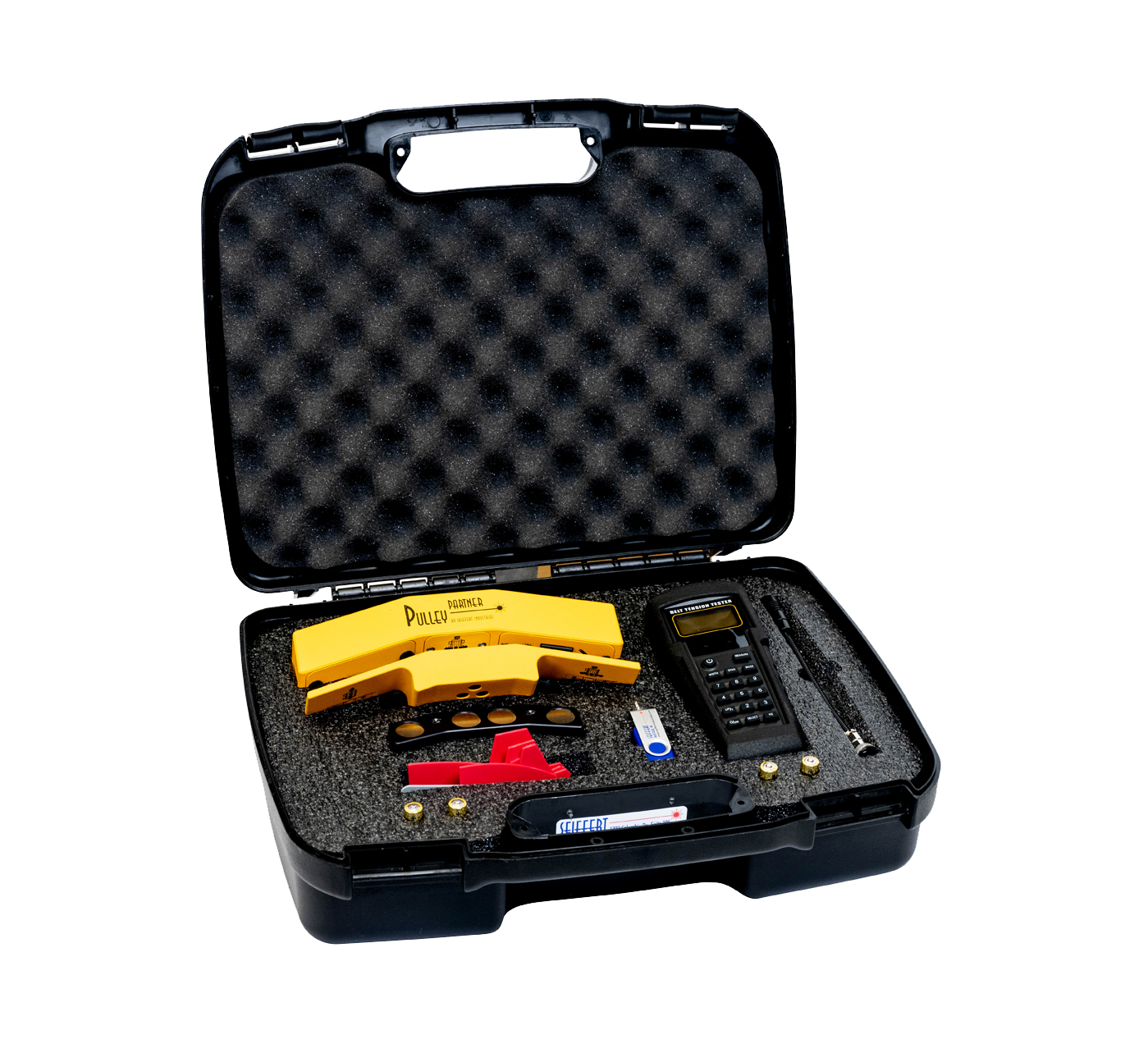
If you would like to learn how laser alignment tools can help keep your conveyor belt running smoothly, Contacta ko Seiffert Industrial nu'bya.