T, h. a, u, m, Hnav ntau dhau, noise, i, thiab kim downtime. That’s why using a sonic belt tension meter is one of the smartest ways to keep your equipment performing at its best.
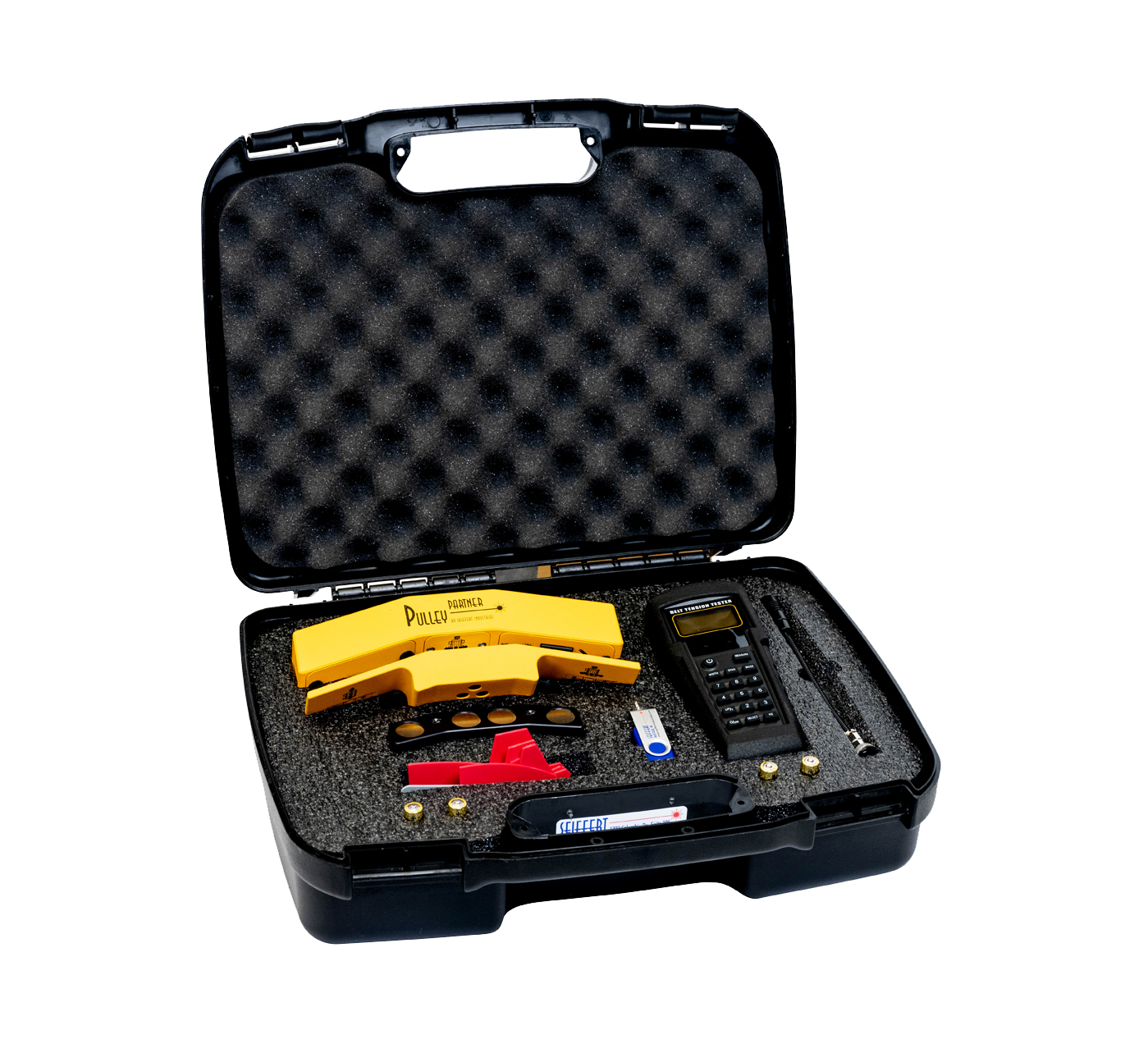
Countless industrial businesses that use machine belts have benefited greatly from using a Sonic siv Tensioning ' meter '. To paraphrase, a Sonic Belt Tensioning Meter is used to make sure belts are working efficiently and have the correct belt tension. They provide the answers you need to determine whether or not the tension of the machine’s belts needs to be adjusted. They take the guesswork out of belt maintenance by delivering fast, accurate readings in a compact, easy-to-use design. Whether you’re working with synchronous belts or V-belt drives, knowing how to properly use your meter can make a big difference in both performance and equipment longevity.
Tips for Using a Sonic Belt Tensioning Meter
Start With the Right Belt Information
Before taking a reading, make sure you have the correct belt width and length measurements ready to enter into the device. Accurate input information is key because the meter calculates tension based on the belt’s vibration frequency. Even the best tool can only provide reliable results when the setup data is correct.
One of the most convenient features of the Seiffert Industrial KX-1590 is its 20 nco cav sau nyiaj mus siv constants. If you routinely work with the same machinery, storing those values can save time and help create more consistent maintenance routines.
The improved frequency range of 10–600 hertz also makes this tool incredibly versatile for different drive systems and operating environments. That flexibility allows technicians to measure a wide range of belt types without needing multiple devices.
Let the Belt Vibrate Naturally
One common mistake operators make is over-plucking or forcing belt movement during measurement. The key is to create a light, natural vibration in the belt and hold the sensor close enough to detect the frequency accurately.
Because the meter is designed for easy operation, anyone can quickly learn the process. Simply input the belt dimensions, create vibration in the belt, and allow the sensor to capture the reading. The LCD screen with black light makes it easy to read measurements even in dim industrial settings.
Another helpful tip: always take measurements while the machine is off and locked out safely. Consistency and safety go hand in hand when performing preventative maintenance.
Lub Sonic Belt Tensioning Meter yog Yooj Yim Siv
A sonic belt tension meter does much more than provide numbers on a screen. It helps create consistency across maintenance teams and reduces the chances of over-tensioning or under-tensioning belts.
Too much tension can overload bearings and shorten component life. Too little tension can lead to slippage, cua sov buildup, and reduced efficiency. By using measurable outputs in hertz, pounds, or newtons, technicians can make precise adjustments instead of relying on guesswork or “feel.”
Qhov zoo ces, Lub Sonic Belt Tensioning Meter yog tus phooj ywg heev thiab yooj yim siv. Nws yog tiag tiag tsuas yog ib tus neeg ua haujlwm kom tau txais kev nyeem ntawv tseeb ntawm synchronous thiab V-siv tsav. Txhua yam koj yuav tsum tau ua yog manually nkag mus rau hauv txoj siv sia huab hwm coj tas li, Txoj siv sia thiab span ntev, Tom qab ntawd tuav lub sensor saum toj no txoj siv, Thaum me ntsis strumming los pib cov txheej txheem kev co. Tom qab ntawd, Koj tsuas yog yuav tsum ntaus ntsuas kom tau txais cov ntaub ntawv zaus uas koj xav tau.
Yog xav paub ntxiv txog qhov zoo ntawm kev siv Sonic Belt Tensioning Meter ntawm koj lub tshuab siv, Tiv tauj peb ntawm koj qhov yooj yim.