Roll misalignment often flies under the radar because it doesn’t always cause immediate failure. Tiag Mas, it shows up gradually—uneven belt tracking, premature bearing wear, nce kev co, and wasted energy. Lub sijhawm dhau mus, those “minor” issues can turn into unplanned downtime, higher maintenance costs, and frustrated teams trying to diagnose symptoms rather than the root cause.
Proper roll alignment is important. Things like paper machines, coaters and winders have hundreds of rollers. There are generally two types of roller misalignments: in-plane and out-of-plane. These can be measured. If rollers are parallel, they’re in-plane. If and when one end of a roller should happen to skew downstream, for example, then the roller is “in-plane misaligned,” and, thus, not parallel like intended. To determine an in-plane misalignment, a “square” measurement is taken.
Other alignment measures include optical alignment, whereas the equipment is set up in line with the machine’s main datum line. Then there’s Pi tape alignment, a quick way to check roll-to-roll alignment, whereas the distance around both rolls (on the tending and drive side) is checked.
Put simply, improper alignment forces belts and bearings to work harder than they should. That extra strain shortens component life and can lead to cascading failures throughout the system. In industries where uptime and precision matter. Zoj, proper alignment helps improve productivity, reduces production downtime, and ultimately helps create better finished products.
Laser Alignment Tools Improve Consistency
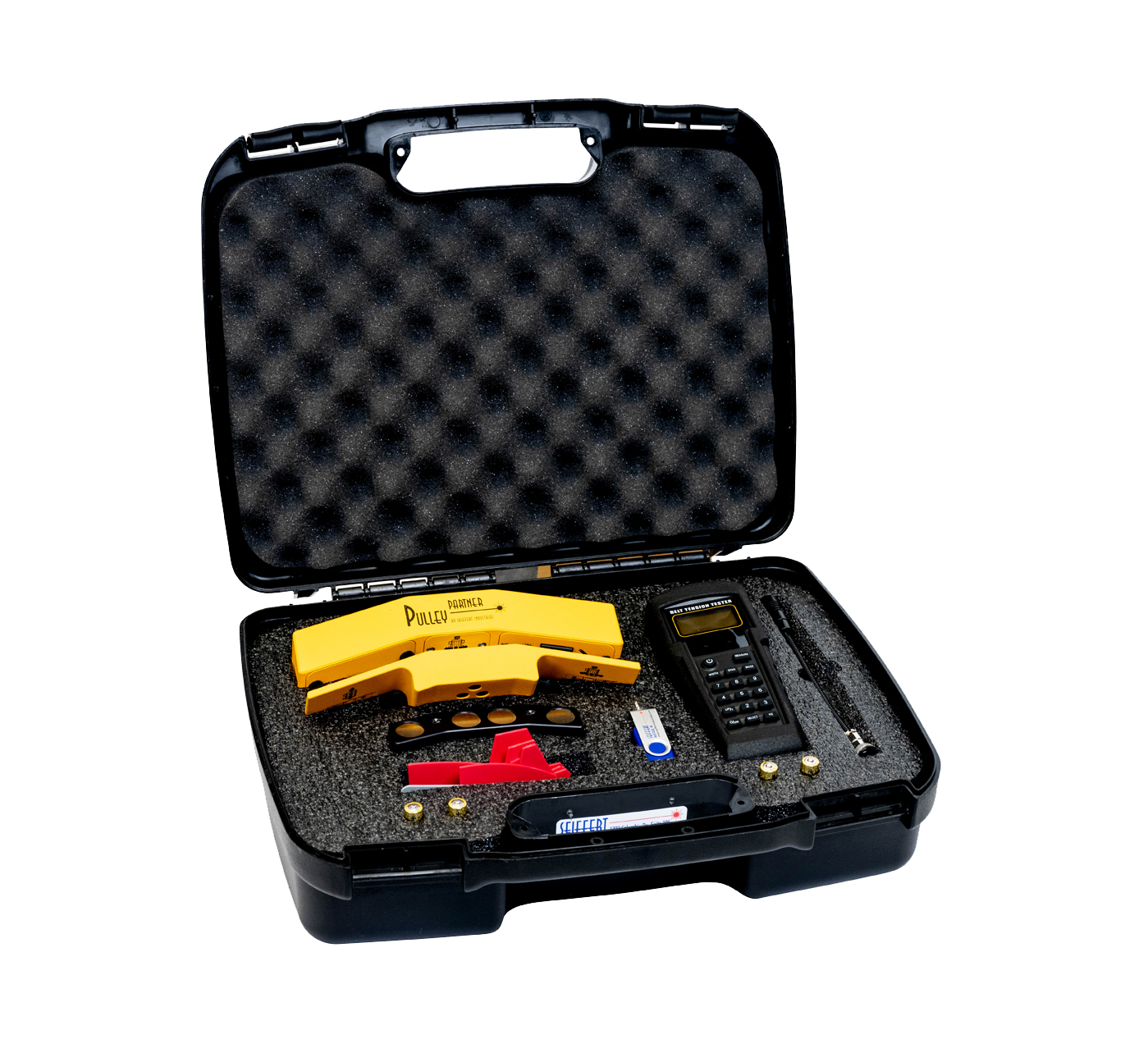
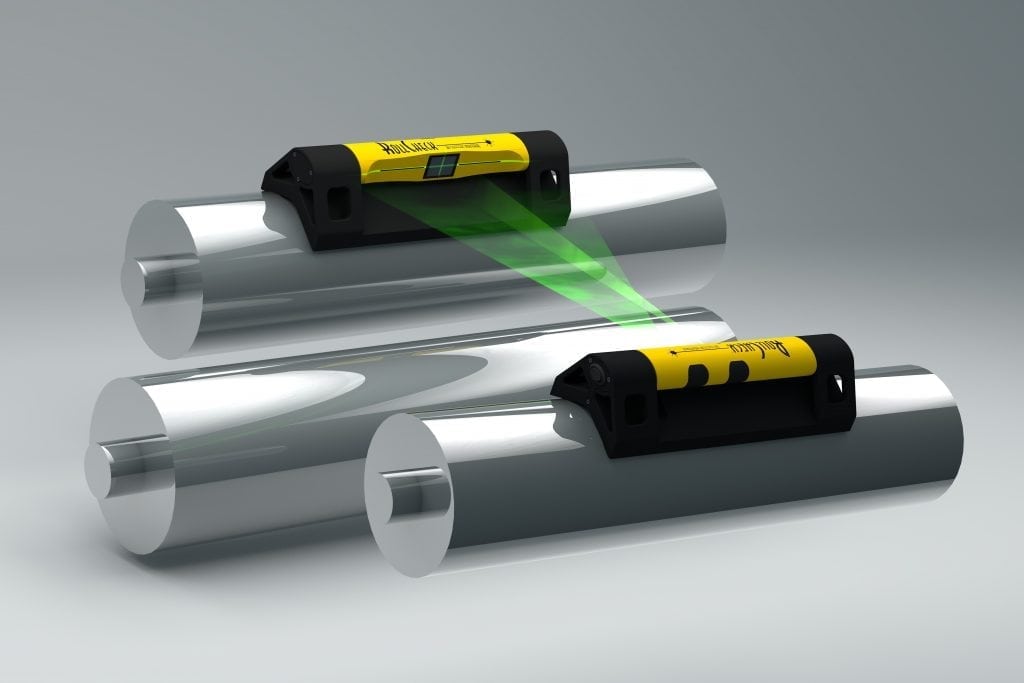
Laser alignment systems can be used to check the profile of a roller. They can also be used to check roll parallelism in the vertical orientation as well as roll position in the horizontal plane. Laser alignment systems typically allow operators to determine measurements to within 0.001 inch. This kind of accuracy is important when you have a machine working overtime to do its job and you don’t want any mishaps or mistakes.
Traditional alignment techniques involve some guesswork and subjectivity. Laser equipment, Txawm li cas los, is more precise. It’s also quicker and offers quantitative measurements that can be determined over a large machine with many rollers. Yog li ntawd, modern alignment solutions also save time. Setups are faster, measurements are clearer, and results are repeatable. Teams can document alignment data, track trends, thiab txiav txim siab paub txog kev saib xyuas cov sij hawm es tsis txhob cia siab rau guesswork.
Thaum koj xav txo lub tshuab hnav, breakdowns thiab / los yog poob ntau lawm lub sij hawm, koj yuav tsum siv laser alignment systems nyob rau hauv thiaj li yuav xyuas kom meej tias txhua yam yog ua hauj lwm raws li tau npaj tseg.
Seiffert Industrial ntseeg hais tias yob uas yog ordined zoo rau txhua lwm yam yuav txhim kho cov khoom zoo thiab nce productivity.