Some vibration is normal when industrial machinery is operating. Ae peitai, excessive or unusual vibration can indicate a problem that needs attention. If it’s left unchecked, it can accelerate component wear, reduce equipment efficiency, and eventually lead to unexpected downtime.
What Are the Most Common Causes of Machine Vibration?
Several mechanical issues can contribute to excessive vibration in industrial equipment. Some of the most common include:
Misaligned Shafts and Pulleys
Misalignment is one of the most common causes of machine vibration. When rotating shafts or pulleys aren’t properly aligned, they can place additional stress on bearings, belts, ma isi vaega. This can lead to increased vibration, pisa, Faigofie Faigofie, ma fa'aitiitia le lelei. Even relatively small alignment errors can create problems over time, making regular alignment checks an important part of machinery maintenance.
Unbalanced Rotating Components
Rotating components such as fans, motors, and impellers need their mass distributed evenly around their axis of rotation. When that balance is disrupted, the resulting centrifugal forces can cause excessive vibration. Unbalance may develop because of material buildup, ofu le tutusa, vaega ua faaleagaina, or manufacturing imperfections. Correcting it typically requires cleaning, repairing, or balancing the affected component.
Worn or Damaged Bearings
Bearings help rotating machinery operate smoothly by reducing friction and supporting moving components. As bearings wear out or become damaged, they may generate increased vibration, pisa, and heat. Poor lubrication, contamination, excessive loads, and improper installation can all contribute to bearing problems. Regular inspections and proper lubrication can help reduce the risk of premature failure.
Loose Components and Improper Mounting
Loose bolts, unstable mounting surfaces, and improperly secured components can also cause machinery to vibrate excessively. Another potential issue is soft foot, which occurs when a machine’s mounting feet don’t rest evenly on their supporting surface. Tightening mounting bolts under these conditions can distort the machine frame and contribute to alignment problems.
Improper Belt Tension
Belt-driven equipment can experience vibration when belts are too loose, too tight, or unevenly tensioned. Incorrect tension can also increase wear on belts, pulou, and bearings. Checking belt condition, alignment, and tension regularly helps prevent these problems from developing.
How Laser Alignment Tools Help Reduce Machine Vibration
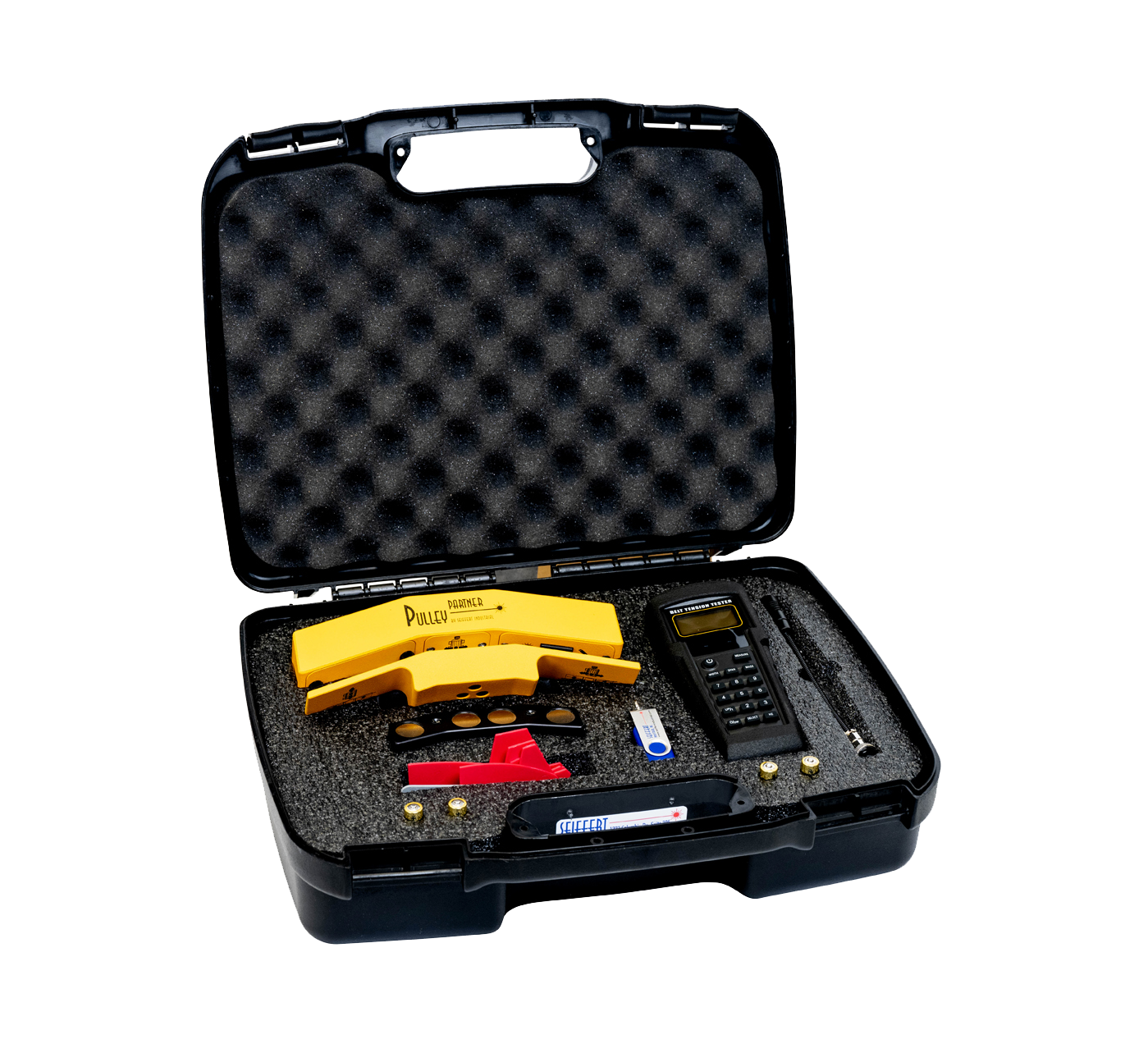
When vibration is caused by misalignment, leisa meafaigaluega gatasi can help maintenance teams identify and correct the problem. Unlike traditional alignment methods that rely on straightedges or visual estimates, laser alignment systems provide precise reference lines or measurements to help technicians identify alignment errors.
Faataitaiga, laser pulley alignment tools can help detect angular and offset misalignment in belt-driven machinery. Technicians can use this information to make adjustments and verify that pulleys are properly positioned.
Excessive machine vibration shouldn’t be ignored. If you need help finding the right laser alignment tools for your machinery, faafesootai Seiffert Alamanuia i aso nei.