In industrial facilities, precision is often the difference between smooth operations and costly downtime. While many maintenance tasks follow a predictable schedule, equipment alignment is a little more complex. Machines can gradually shift out of alignment due to vibration, hőtágulás, heavy workloads, or everyday wear and tear. The challenge is that these changes are often subtle at first, making it difficult to know exactly when realignment is necessary.
Ezt szem előtt tartva, how often should industrial equipment be realigned? The answer depends on the equipment, operating conditions, and how critical that machinery is to your production process.
Alignment Isn’t a “Set It and Forget It” Task
A big misconception about alignment is that it only needs attention during installation. While proper alignment at startup is essential, machinery is constantly subjected to forces that can alter its position over time. Even equipment that was perfectly aligned when installed can gradually drift due to vibration, foundation settling, component replacements, or changes in operating temperatures.
Many maintenance professionals recommend checking alignment as part of a routine preventive maintenance program. For some facilities, annual inspections may be sufficient. Mások számára, especially those operating high-speed machinery or equipment under heavy loads, more frequent evaluations can help prevent costly issues before they develop.
Realignment should also be considered whenever major maintenance work has been completed. Replacing motors, csapágyak, belts, csigák, or other key components can easily affect machine positioning. Hasonlóképpen, any equipment that has been relocated or subjected to unusual operating conditions should be inspected to ensure everything remains properly aligned.
The Warning Signs Are Often Easy to Miss
Misalignment rarely causes immediate failure. Ehelyett, it tends to create a chain reaction of small problems that worsen over time. Increased vibration is often one of the earliest indicators, followed by unusual noises, excess heat, and accelerated component wear.
Many facilities first discover an alignment issue when belts begin wearing out faster than expected or bearings require frequent replacement. Others notice a gradual decline in equipment efficiency or an increase in energy consumption. These symptoms may seem unrelated on the surface, but they often trace back to the same root cause.
This is why regular inspections are so valuable. Modern laser alignment tools can identify even minor alignment issues long before they become major maintenance concerns, helping teams address problems proactively rather than reactively.
The Cost of Waiting Too Long
When alignment is overlooked, machinery is forced to work harder than it should. Components experience additional stress, energy efficiency declines, and wear rates increase across the system. What starts as a small alignment issue can eventually lead to unexpected downtime, expensive repairs, és csökkenti a berendezés élettartamát.
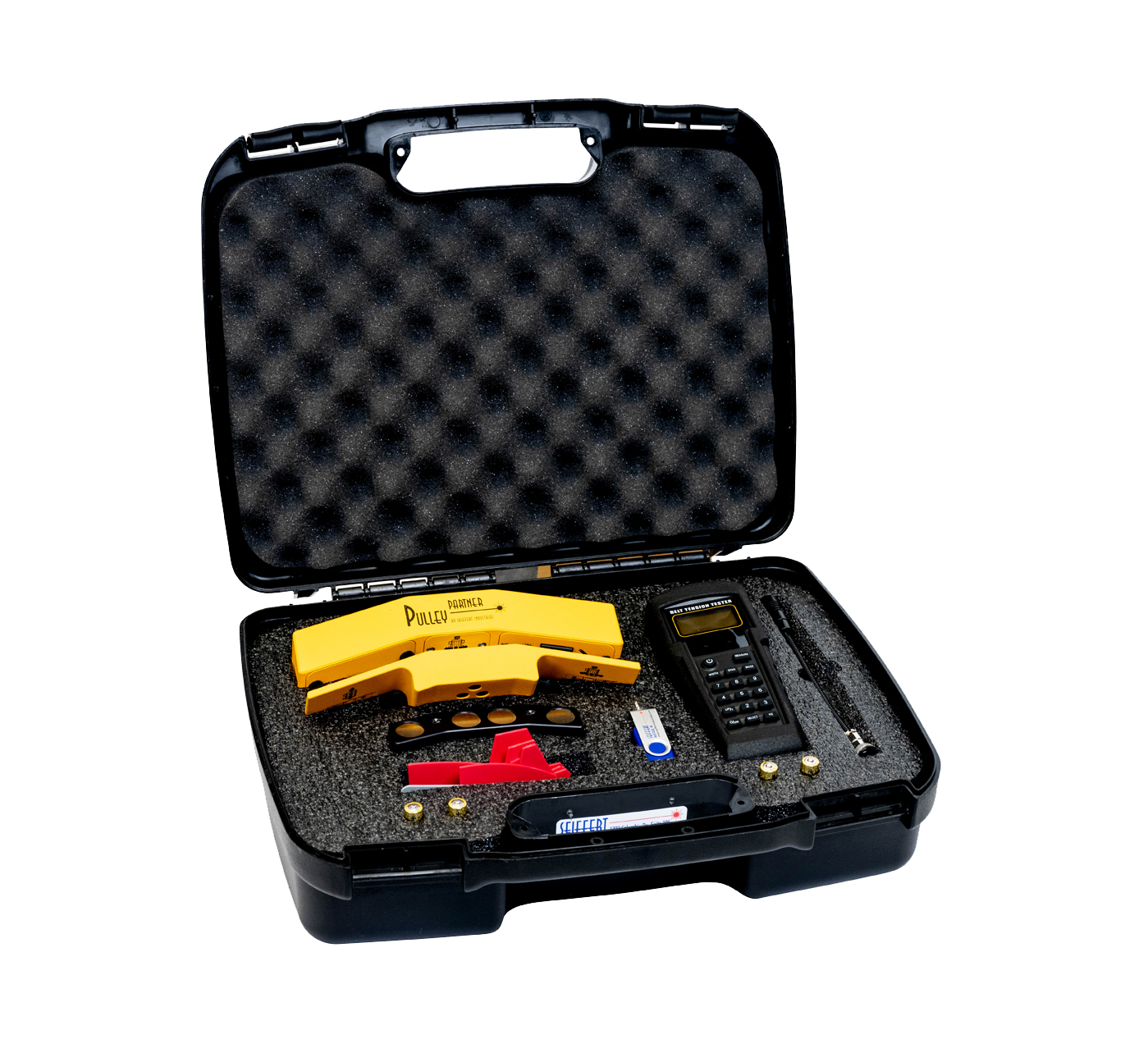
mindazonáltal, maintaining proper alignment helps equipment operate more efficiently and reliably. Precision tools such as pulley alignment systems, párhuzamos tekercs eszközök összehangolása, and belt tension meters allow maintenance teams to verify alignment quickly and accurately, reducing the likelihood of future problems while supporting long-term performance goals.
The truth is that there is no universal timetable for realignment. The right schedule depends on the equipment itself, the environment in which it operates, and the demands placed upon it each day. Azonban, organizations that make alignment checks a regular part of their maintenance strategy consistently see benefits in reliability, hatékonyság, and equipment longevity.
For facilities looking to improve their maintenance practices with precision alignment solutions and expert support, Seiffert Industrial offers the tools and resources needed to help keep critical equipment operating at its best. Lépjen kapcsolatba velünk bármilyen kérdéssel.