‘Oku ‘ikai ke hoko fakatu’utamaki ha misini lele ‘oku lele lelei .. Ko e taha 'o e ngaahi kehekehe mahu'inga taha ko hono ma'u 'o e fakafe'unga'i totonu 'o e fetuku 'o e fusi ..
Ko ha fusi misaligned 'e lava ke ne fakatupu 'a e ngaahi fa'ahinga kotoa pe 'o e ngaahi me'a 'oku 'ikai faka'amu ki he pisinisi .. Ki he kamataʻaki, 'e lava ke ne 'ai ha misini 'oku ke fakafalala ki ai ki lalo ki he lau 'i ho'o tatali ki hono fakalelei'i .. Ko e meʻa ʻoku mahulu hake, ko ha mīsini ‘oku faka‘aonga‘i hala ‘oku hangē ia ha mahaki ‘oku mafola ki he ngaahi ‘ōkani kehé ., as it can increase the wear and tear and adversely affect pulleys, bearings and other parts of the machine, or cause it to overheat.
Ko e meʻa ʻoku mahulu hake, machines that are properly aligned reduce vibrations and noise levels and make it an overall safer environment for workers. Ko hono aofangatuku, it means less unexpected downtime, less costly repairs and less replacement parts…which means more profit and money for your plant.
Reasons to Use Laser Alignment Technology
It’s easy to underestimate belt alignment. Hili kotoa, if the machine is running, how bad could it be? In reality, even slight misalignment can lead to accelerated belt wear, increased energy consumption, and unexpected downtime. Misaligned belts place uneven loads on bearings and shafts, causing components to fail sooner than expected.
Proper alignment ensures power is transmitted efficiently from motor to driven equipment. That means less friction, lower heat buildup, and reduced vibration. ʻOsi atu ha taimi, these benefits translate into longer equipment life and fewer maintenance headaches—something every maintenance and reliability team can appreciate.
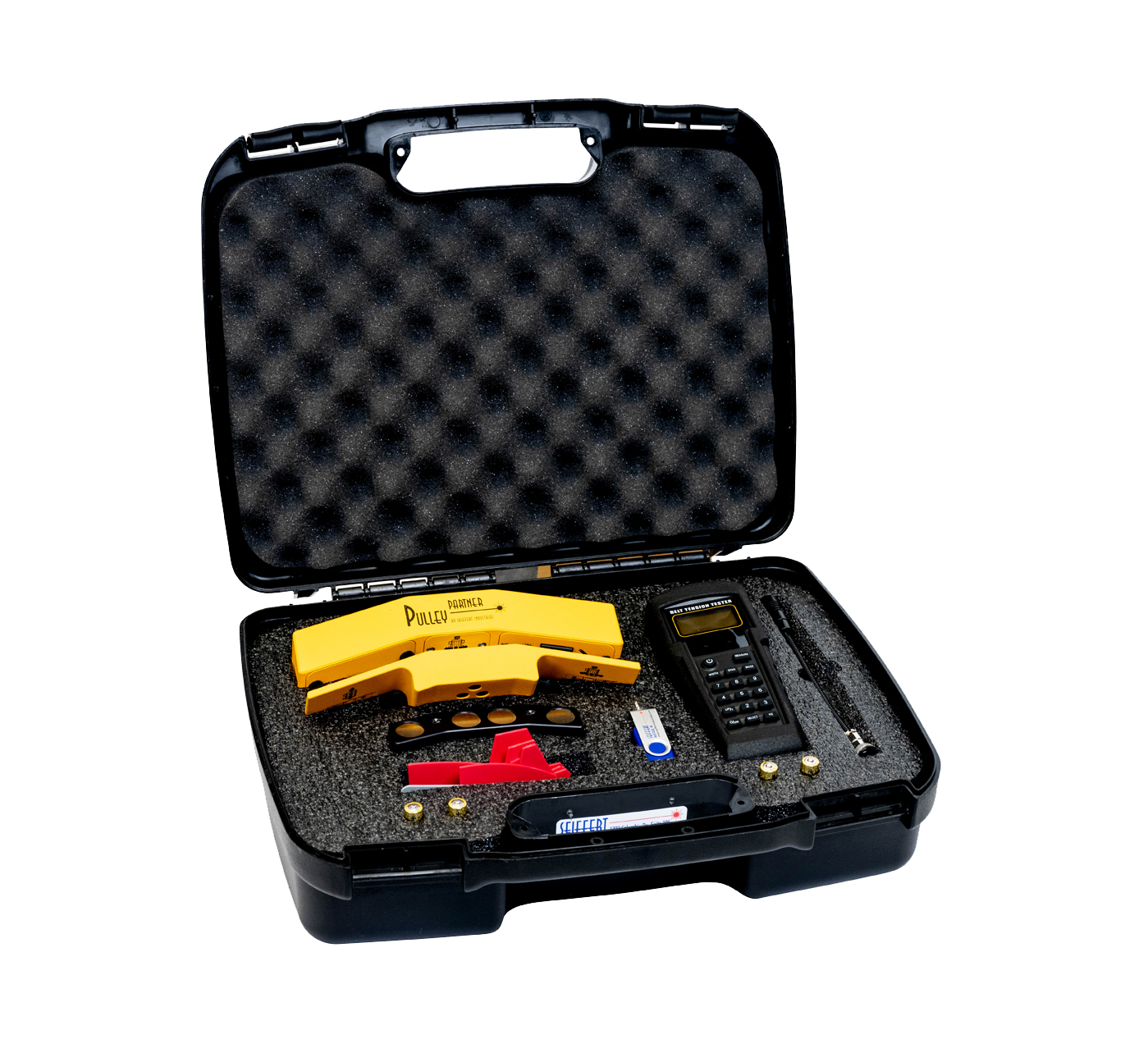
So what can plants do to ensure their belts are properly aligned? The best course of action is to invest in laser alignment technology. Ki he kamataʻaki, laser technology provides much quicker results than using rulers or other traditional methods, which allows you to fix the problem right away and get the machine working properly again. 'Ikai ngata ai, rather than someone trying to use the “eye” test, you receive real, fakafuofua'i, tali totonu. Ko e meʻa ʻoku mahulu hake, ‘oku faingofua ke ako ‘a e founga ke faka’aonga’i mo faka’uhinga’i ‘a e ngaahi fakamatala mei he ngaahi me’angaue ‘o e fakatonutonu ‘o e leisa ., 'ai ia ko ha ngaue 'a e tokotaha ngaue 'e taha ., faka'ata 'a e kau ngaue kehe ke nau ngaue ki he ngaahi ngaue kehe 'oku fe'unga ..
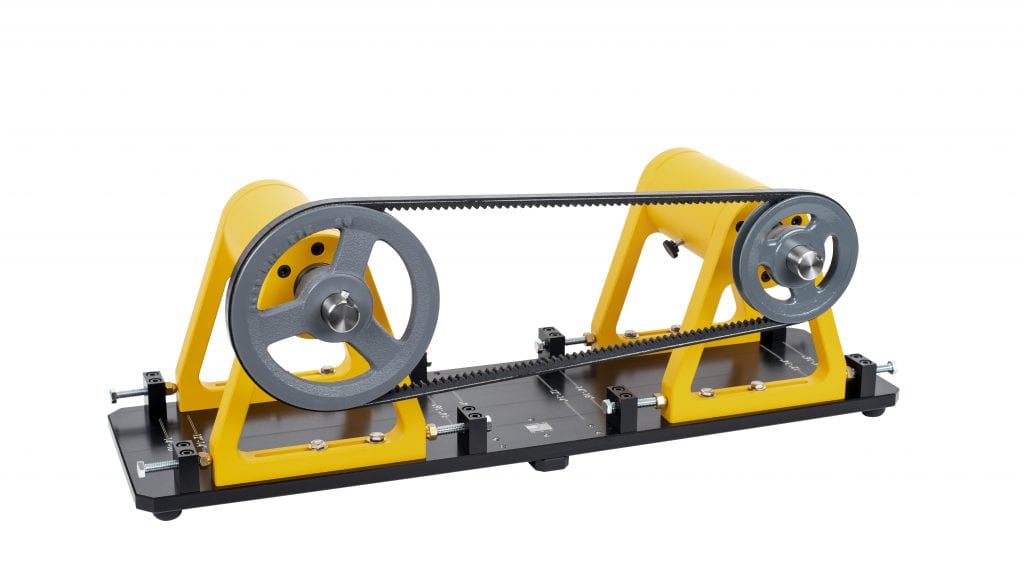
'Oku 'omi 'e he ngaahi sisitemi 'oku makatu'unga 'i he leisa 'a e ngaahi fakakaukau taimi mo'oni ., fokotu'utu'u vave ange, mo e ngaahi ola 'oku lava ke toe fai 'i he ngaahi polokalama kehekehe 'o e fusi mo e roller .. Pe ‘okú ke fakafe‘unga‘i ‘a e ngaahi pulley ., ngaahi takainga fakafetongi, pe vakai'i 'a e fusi 'o e fusi, ngaahi me'angaue tonu 'oku ne 'ai 'a e ngaue ke vave ange mo falala'anga ange ..
Kuo tokoni‘i ‘e he Seiffert Industrial ‘a e ngaahi pisinisi lahi ‘aupito ke nau ma‘u ‘a e totonú . ngaahi me'angaue fakafe'unga'i 'o e fetuku 'o e fusi . mo ʻenau ngaahi fie maʻú. 'Oku tau ma'u 'a e ngaahi ta'u 'o e a'usia 'i he ngaue'anga ., pea ko 'emau ngaahi me'angaue kotoa pe 'oku ngaohi 'i loto fonua ..
Ke kamata hono kumi 'o e ngaahi me'angaue totonu ki ho'o ngaahi fie ma'u ., fetu'utaki mai kiate kimautolu.